
8 ways to survive the holiday season as a highly sensitive person
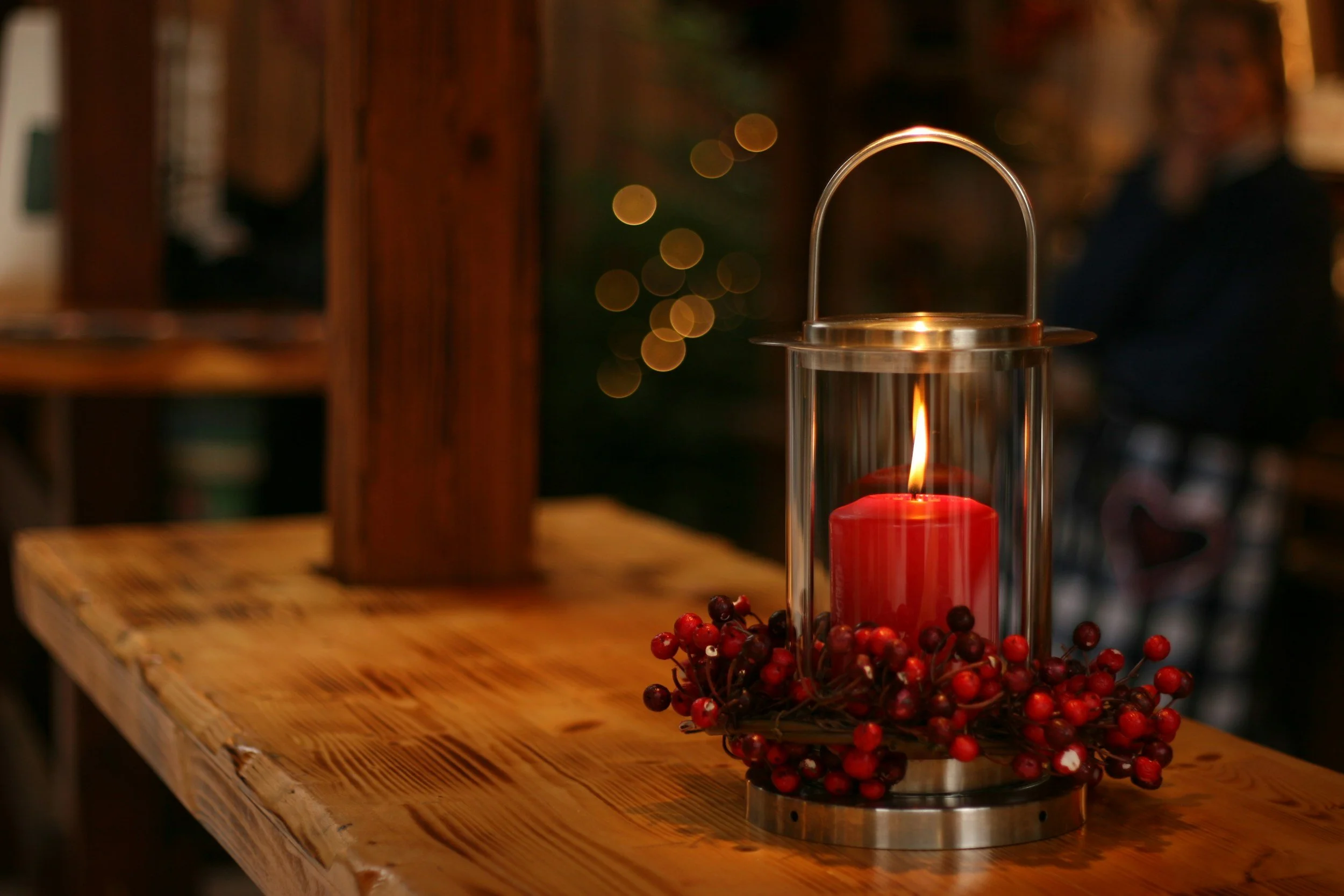
The holiday season brings joy for many, but for highly sensitive people (HSPs), it often means navigating sensory overload, emotional exhaustion, and social overwhelm. If you find yourself dreading the holidays rather than enjoying them, you're not alone, and there's a better way forward. With the right strategies, you can protect your energy and create a holiday season that actually feels manageable.
UNDERSTANDING HIGH SENSITIVITY DURING THE HOLIDAYS
Highly sensitive people process sensory information more deeply than others. Research by Dr. Elaine Aron, who pioneered the study of high sensitivity, shows that approximately 15-20% of the population has this trait. During the holidays, this heightened processing can become overwhelming.
Common holiday triggers for HSPs include:
Crowded shopping centers and holiday parties
Bright lights and loud music
Emotional intensity of family gatherings
Pressure to meet social expectations
Disrupted routines and overscheduled calendars
Financial stress around gift-giving
The key to thriving as an HSP during the holidays isn't to push through the discomfort, it's to work with your sensitivity rather than against it.
8 WAYS TO SURVIVE THE HOLIDAY SEASON AS A HSP
1. Create a Sensory Safe Space
Your nervous system needs a place to regulate and reset. Designate a quiet room in your home as your personal sanctuary during the holiday season.
How to create your safe space:
Use dim lighting or string lights instead of harsh overhead lights
Include soft textures like blankets, cushions, or comfortable seating
Add calming scents through essential oils or candles (lavender, chamomile, or sandalwood work well)
Keep the space clutter-free and visually calm
Consider a white noise machine or calming music playlist
This isn't about isolation, it's about having a reliable place to decompress when you feel overstimulated. Even 10-15 minutes in your safe space can help regulate your nervous system.
2. Plan Strategic Exits
One of the most empowering things you can do as an HSP is to always have control over when you leave social situations.
Exit strategies that work:
Drive yourself to events rather than carpooling
Prepare a polite exit phrase in advance: "I need to head out, but thank you for hosting"
Set a firm departure time before you arrive and stick to it
Position yourself near exits at parties for easy, low-key departures
Let trusted family members know you might leave early
Remember: leaving when you need to isn't rude, it's responsible self-care. Most people will understand, and those who don't aren't prioritizing your wellbeing anyway.
3. Limit Your Social Calendar Intentionally
The minimalist approach to holidays means being selective about where you invest your energy.
How to apply minimalism to your social calendar:
Choose 2-3 events that truly matter to you
Decline invitations without lengthy explanations (a simple "I won't be able to make it, but thank you for thinking of me" is sufficient)
Prioritize quality interactions over quantity
Consider hosting smaller, intimate gatherings instead of attending large parties
Give yourself permission to skip traditions that no longer serve you
Research shows that HSPs experience social fatigue more quickly than non-HSPs. Honoring this reality isn't antisocial, it's aligned with your neurobiology.
4. Practice the "Buffer Day" Rule
Never schedule social events back-to-back. This is non-negotiable for HSP wellbeing during the holidays.
Why buffer days matter:
Your nervous system needs time to return to baseline after social stimulation
Processing emotions and experiences takes energy for HSPs
Physical rest is essential for preventing burnout
Buffer days give you space to catch up on routine tasks
Aim for at least one full day of downtime between social engagements. If you have a family gathering on Saturday, don't schedule anything for Sunday. Protect that recovery time as fiercely as you would a work commitment.
5. Communicate Your Needs Clearly
Many HSPs struggle with advocating for themselves, fearing they'll be seen as difficult or high-maintenance. The reality is that clear communication prevents resentment and misunderstanding.
What to communicate:
"I might need to take breaks and step outside during the party"
"I'll be leaving by 8 PM to get enough rest"
"I'm doing a simplified holiday this year with minimal gift exchanges"
"I need some quiet time before we start the festivities"
"I'd prefer a smaller, calmer gathering this year"
Most loved ones will appreciate your honesty. Those who respond negatively to reasonable boundaries aren't respecting your needs, which gives you valuable information about the relationship.
6. Bring Your Comfort Tools
Just as you might bring an umbrella when rain is expected, bring tools that help you manage overstimulation.
Essential HSP toolkit:
Noise-canceling headphones or earplugs
Fidget toys or textured objects for grounding
Essential oils in a small roller bottle
Sunglasses for bright environments
A comfort object like a smooth stone or small stuffed animal
Breath mints or gum (oral stimulation can be calming)
Water bottle to stay hydrated
These aren't crutches, they're adaptive tools that allow you to participate more fully in holiday activities without becoming overwhelmed.
7. Release Holiday Guilt and Perfectionism
HSPs often carry extra guilt about disappointing others. This intensifies during the holidays when there's cultural pressure to be festive, social, and generous.
Permission slips for HSPs:
You can skip family traditions that drain you
You can give smaller, simpler gifts
You can celebrate holidays in non-traditional ways
You can say no without providing detailed justifications
You can prioritize your mental health over others' expectations
You can feel however you feel about the holidays
Guilt serves no one. When you're depleted and resentful, you can't show up authentically for anyone, including yourself. Choosing self-preservation over people-pleasing is healthy, not selfish.
8. Prioritize Rest Above Everything Else
Sleep, nutrition, gentle movement, and downtime aren't luxuries during the holiday season, they're the foundation that makes everything else possible.
Non-negotiable self-care for HSPs:
Maintain your regular sleep schedule as much as possible
Eat nourishing meals and stay hydrated
Continue any exercise or movement practices
Protect your mornings for quiet, gentle starts to the day
Limit alcohol, which can intensify emotional sensitivity
Say no to late-night activities that disrupt your sleep
When you're well-rested, you have more capacity to handle stimulation. When you're depleted, even minor stressors feel overwhelming. Rest isn't something you earn, it's something you require.
When to Seek Professional Support
If you're finding that the holiday season feels unmanageable, working with a therapist who understands high sensitivity can be helpful.
Signs you might benefit from professional support:
Persistent anxiety or dread about upcoming holiday events
Difficulty setting or maintaining boundaries with family
Overwhelming guilt that prevents you from honoring your needs
Past trauma that resurfaces during family gatherings
Feeling isolated in your experience as an HSP
Depression or hopelessness around the holidays
Therapy provides a space to process your experiences, develop personalized coping strategies, and receive validation for your sensitivity in a culture that often misunderstands it.
ABOUT ME
I'm a therapeutic counsellor with nearly 10 years of experience supporting highly sensitive people in their emotional, psychological, and spiritual healing. I offer 100% virtual therapy through my private practice. Many of my clients appreciate the flexibility online sessions can offer.
I’m a registered member of the International Institute for Complementary Therapists, with a Bachelors Degree in Counselling & Psychotherapy. But more than that, I bring lived experience as a highly sensitive person to my work.
If you’re feeling called to explore therapy for highly sensitive people, let’s connect. I offer a compassionate space where you can be seen, heard, and supported. Book a free initial consultation, and let’s take the first step together.
